
From Concept to Delivery: The Video Production Process Explained
What is the Video Production Process?
No matter how complex your campaign feels, the production journey always rolls up into three stages: pre-production, production, and post-production.
At Launch Factory, we follow this structure on every project, from a single product video to a global campaign. The difference is not the stages themselves. The difference is the process inside each stage, how decisions are made, documented, and carried forward, that determines whether your video feels effortless or chaotic.
Pre-Production:
What Actually Happens in Pre-Production?
Pre-production covers everything that happens before the cameras roll: clarifying goals, building the concept, scripting, storyboarding, scheduling, and logistics. It is where you set the creative and operational foundation for the entire project.
At Launch Factory, pre-production includes:
Strategy and objectives
We start by aligning on your audience, desired outcomes, and where the video will live. For example, a performance ad for paid social will look different from an educational explainer hosted on your site.
Creative development
Once goals are clear, we move into concepts, scripting, and storyboards/shot lists. A detailed shot list is essential to keep shoot day efficient.
Logistics and approvals
We lock locations, casting, crew, schedules, and call sheets, and get all these elements approved before filming. This prevents any unnecessary misunderstandings when we are on set/location filming, one of the most common ways teams go wrong in pre-production.
When pre-production is rushed, problems can show up later as reshoots, missing shots, or endless edit changes. When it is done well, production becomes much less stressful and far more predictable.
Production:
What Should You Expect on Production or Shoot Days?
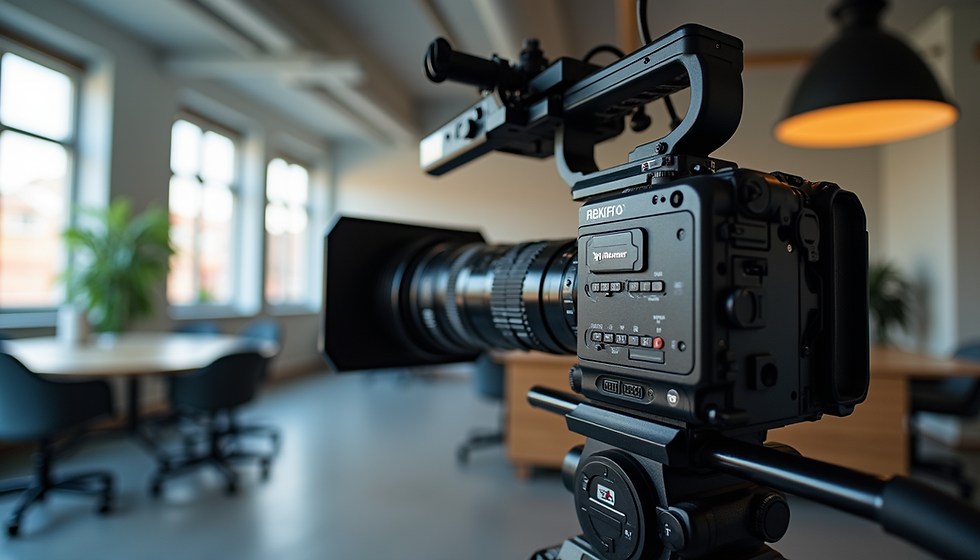
Production is where everything planned in pre-production is captured on camera. That includes interviews, scripted scenes, product shots, and plenty of B-roll that editors will rely on later. A well-run production day focuses on:
Execution against the plan
The schedule, shot list, and storyboards guide the crew through each setup. When “unresolved pre-production decisions” spill onto set, you lose time and compromise quality. This is also where teams often forget to capture enough coverage, different angles, cutaways, and contextual B-roll, which can severely limit post-production options.
On-set collaboration
Our dedicated producer is your single point of contact on set. They manage the crew, keep things on schedule, and ensure the creative vision stays aligned with your brand guidelines and marketing goals. This human-led ownership is a key part of our process.
Controlled flexibility
Ideas will come up on the day, they always do. The goal is to evaluate unplanned shots against your priorities and timebox them, rather than derailing the schedule or diluting the story.
If pre-production is your blueprint, production is the careful construction phase. By the end, you should walk away confident that you captured every element needed to tell the story effectively.
Post-Production:
What Happens in Post-Production?
Post-production turns raw footage into a finished, distribution-ready asset. It includes editing, sound design, color, graphics, and versioning. Every major guide to filmmaking and marketing video highlights post-production as its own discipline because this is where structure, pacing, and emotional impact take shape.
Key components of post-production include:
Editing and story shaping
Editors assemble the narrative, balance interviews with visuals, and refine timing so every second earns its place.
Sound, graphics, and color
We mix dialogue, music, and sound effects, apply motion graphics or lower thirds, and match color for a cohesive look. These details significantly influence perceived quality and brand polish.
Feedback and revisions
Unstructured feedback rounds are one of the biggest pitfalls at this stage. Instead of scattered emails and vague comments, we provide clear review milestones and typically three structured rounds of edits. This keeps everyone aligned and prevents one-size-fits-all deliverables that are not tailored to each channel.
Final delivery and versioning
Finally, we export platform-specific versions based on your distribution strategy, for example, vertical cuts for TikTok or Reels, square for paid social, and horizontal for your website or YouTube.
Done right, post-production gives you a library of polished assets that can work across your funnel, not just a single hero video.
If you are ready to see how this process could work for your team, tell us about your project to get a custom plan.


평소 앉아서 보내는 시간이 많아 몸이 자주 뻐근했는데 편안하게 관리받을 수 있어 좋았습니다. 서울출장마사지 는 원하는 장소에서 이용할 수 있어 접근성이 뛰어나고, 바쁜 일정 속에서도 휴식 시간을 확보하기 좋은 선택이라는 생각이 들었습니다.
Mình có lần lướt đọc mấy trao đổi trên mạng شيخ روحاني thì thấy nhắc nên cũng tò mò mở ra xem thử cho biết. Mình không tìm hiểu sâu جلب الحبيب chỉ xem qua trong thời gian ngắn để quan sát bố cục جلب الحبيب cách sắp xếp شيخ روحاني các mục và trình bày nội شيخ روحاني dung tổng thể. Cảm giác là các phần được trình bày khá gọn, các Berlinintim mục rõ ràng nên đọc lướt cũng không bị rối Berlinintim với mình như شيخ روحاني vậy là đủ để nắm tin cơ bản rồi. جلب الحبيب
😍
전문성과 친절함을 동시에 안산출장마사지 느낄 수 있는 서비스였습니다. 서비스를 통해 피로 회복과 편안한 휴식을 함께 경험할 수 있어 만족스러웠습니다.