
Top Strategies for Video Production
Creating compelling video content is no longer a luxury; it’s a necessity for businesses aiming to stand out in today’s competitive market. If you’re looking to elevate your brand’s storytelling and connect with your audience on a deeper level, mastering the art of video production is key. In this post, I’ll share some of the top strategies for video production that can help you craft videos that not only look professional but also deliver results.
Understanding Your Audience and Setting Clear Objectives
Before you even pick up a camera or write a script, you need to know who you’re speaking to and what you want to achieve. This foundational step is often overlooked but is absolutely critical.
Identify your target audience: Are you aiming at young professionals, corporate clients, or local consumers? Knowing this helps tailor your message and style.
Define your goals: Are you looking to increase brand awareness, drive sales, or educate your audience? Clear objectives guide your creative decisions.
Research local trends: Africa is a bustling continent with a diverse demographic. Understanding local preferences and cultural nuances can make your video resonate more.
For example, if your goal is to showcase a new product to corporate clients, a polished, formal tone with clear benefits will work best. On the other hand, if you want to engage younger audiences, a more casual, dynamic approach might be the way to go.
Essential Video Production Tips: Planning and Pre-Production
Planning is where your video’s success is largely determined. Skipping or rushing this phase can lead to costly mistakes later.
Scriptwriting: Write a clear, concise script that aligns with your objectives. Keep sentences short and impactful.
Storyboarding: Visualize your shots to ensure a smooth shoot. This helps everyone involved understand the flow.
Location scouting: Africa offers a variety of settings, from sleek office spaces to vibrant urban streets. Choose locations that enhance your story.
Casting and crew: Select talent and crew who understand your vision and can bring it to life professionally.
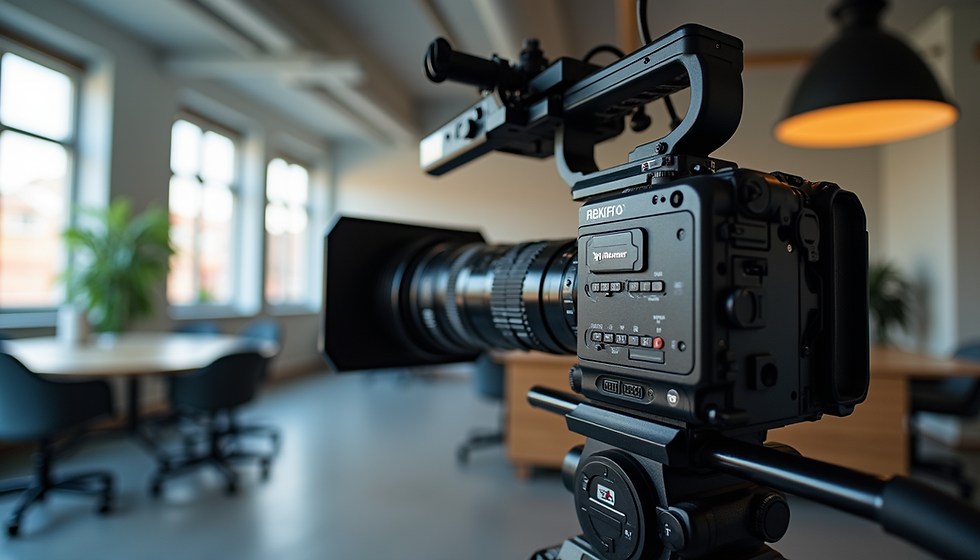
Equipment checklist: Ensure you have the right cameras, lighting, and audio gear. Good equipment is essential but so is knowing how to use it effectively.
Remember, a well-planned shoot saves time and money. It also ensures your final product looks polished and professional.
Crafting Engaging Visuals and Audio
Once you’re on set, it’s all about capturing high-quality visuals and sound that keep viewers hooked.
Lighting: Natural light is great, but supplement it with softbox lights or reflectors to avoid harsh shadows.
Camera angles: Use a mix of wide shots, close-ups, and medium shots to add variety and maintain interest.
Audio quality: Invest in good microphones and monitor sound levels during the shoot. Poor audio can ruin even the best visuals.
B-roll footage: Capture extra shots that support your story, such as product close-ups or environment shots.
For instance, a close-up of a product being used can create an emotional connection, while a wide shot of the bustling Sandton cityscape sets the scene and adds context.
Post-Production: Editing and Enhancing Your Video
Editing is where your footage transforms into a compelling story. This phase requires both technical skill and creative flair.
Editing software: Use professional tools like Da Vinci Resolve, Adobe Premiere Pro or AVVID for best results.
Pacing: Keep your video concise and engaging. Cut out any unnecessary parts that slow down the story.
Color grading: Adjust colors to create the right mood and ensure consistency across shots.
Sound design: Add background music, sound effects, and voiceovers to enhance the viewing experience.
Don’t forget to review your video multiple times and get feedback from others. Fresh eyes can catch mistakes or suggest improvements you might have missed.
Leveraging Local Expertise and Resources
One of the smartest moves you can make is to tap into the local talent and resources available in Africa. This not only supports the community but also ensures your video reflects the local vibe authentically.
Hire local professionals: From directors to editors, local experts understand the market and can offer valuable insights.
Use local locations: Africa’s iconic landmarks and modern infrastructure provide excellent backdrops.
Collaborate with local businesses: Partnering with other brands can expand your reach and add credibility.
Stay updated on regulations: Make sure you have the necessary permits for shooting in public or private spaces.
By working with local professionals, you also benefit from their network and experience, which can streamline your production process.
Maximizing Your Video’s Impact
Creating a great video is just the beginning. To truly benefit from your investment, you need to ensure your video reaches the right audience and drives action.
Optimize for platforms: Tailor your video format and length for YouTube, social media, or your website.
SEO strategies: Use relevant keywords in your video title, description, and tags to improve discoverability.
Analyze performance: Use analytics tools to track views, engagement, and conversions. Learn what works and refine your approach.
If you want to explore professional options, consider partnering with a trusted video production company that can guide you through the entire process and help you achieve your business goals.
Bringing Your Vision to Life
Video production is a powerful tool for storytelling and brand building. With the right strategies, you can create videos that not only look stunning but also connect with your audience and drive meaningful results. Whether you’re just starting out or looking to refine your approach, these tips will help you navigate the exciting world of video production in Sandton.
Remember, every great video starts with a clear plan and a passion for storytelling. So, what story will you tell next?


Comments